
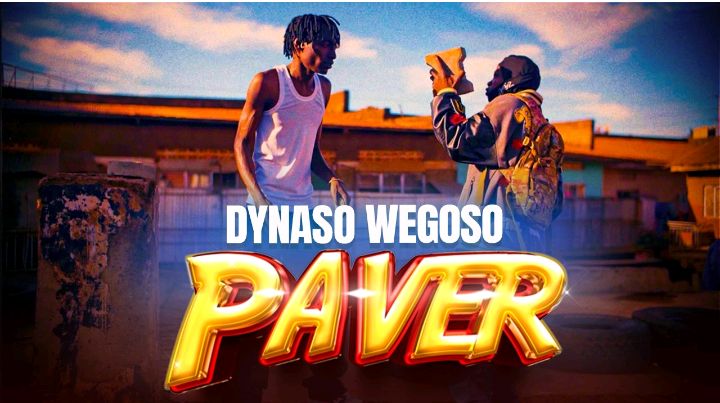
The Uganda Communications Commission (UCC) has officially suspended the circulation of the controversial song “Mukube Paver” by Dynaso Wegoso, citing concerns over violent and harmful content.
The announcement was made through UCC’s official X (formerly Twitter) account, where the regulator confirmed that the song had been banned from all media platforms across Uganda.
Why the Song Was Suspended
According to UCC, the decision follows numerous public complaints regarding the song’s message. The commission stated that “Mukube Paver” promotes violence and encourages dangerous behavior, particularly among young people.
Authorities also raised concern over emerging social media trends linked to the song, where users were reportedly
engaging in risky challenges inspired by its content.
Immediate Ban Across All Platforms
UCC has directed all broadcasters and content distributors to immediately halt the airing and sharing of the song. This includes:
Radio and television stations
Online streaming platforms
Social media channels
Media houses have further been warned against discussing or promoting the song in any form.
Artist Summoned
Following the suspension, Dynaso Wegoso has been summoned by the commission to explain the intent and impact of the song. UCC emphasized that artists have a responsibility to produce content that does not endanger the public or promote harmful behavior.
Legal Implications
The commission warned that individuals or media outlets that continue to distribute or promote the banned song risk facing legal consequences. These may include fines or imprisonment in accordance with Uganda’s communications laws.
Growing Concern Over Music Content
This move highlights increasing scrutiny by regulators on the influence of music and digital content in Uganda. UCC reiterated its commitment to ensuring that all broadcast material aligns with national standards and does not pose a threat to public safety.
Conclusion
The suspension of “Mukube Paver” marks another strong stance by UCC in regulating content deemed harmful to society. As the situation unfolds, the case could set a precedent for how controversial music is handled in Uganda’s digital and entertainment space.