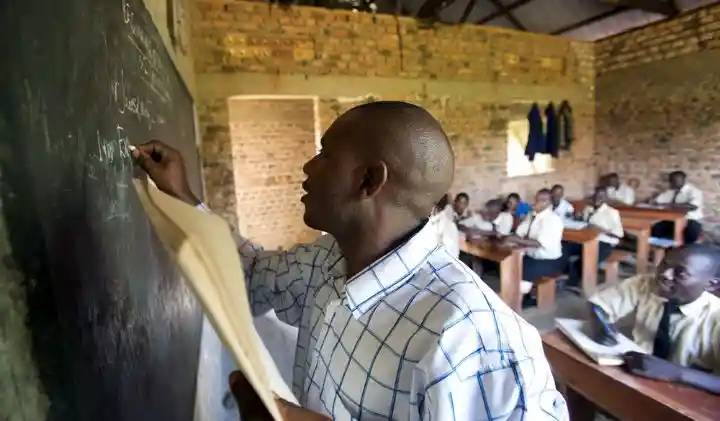
Arts teachers, primary school teachers, headteachers, and their deputies are set to receive a long-awaited salary boost beginning July 1, 2026. The new pay structure is part of a government effort to reduce long-standing salary gaps within the education sector and improve fairness among educators. This development means that thousands of teachers—especially those teaching arts subjects—are only a short time away from earning higher pay after years of stagnation. For a long period, many educators expressed frustration over low wages, with
some even resorting to strikes to push for better conditions. Officials say the increment reflects a response to those concerns, as poor pay had begun to affect morale and service delivery in schools. The approved salary enhancement is expected to benefit over 156,000 teachers across Uganda. This includes both primary and secondary school teachers, as well as tutors in technical institutions. The government says the move is aimed at improving equity in the profession while also retaining experienced teachers. At the primary
level alone, more than 132,000 workers will benefit. These include headteachers, deputy headteachers, senior education assistants, and classroom teachers. Most beneficiaries are classroom teachers, highlighting their large presence in the education workforce. At the post-primary level, about 24,000 teachers and tutors will also gain from the new structure, including headteachers, principals, and their deputies. Secondary school salaries improved Under the revised structure, a secondary school headteacher with an arts background will now earn up to Shs3.5 million per month, up from about Shs2.3
million. Similar increases apply to principals in institutions offering certificate programs. However, despite the increment, arts teachers will still earn less than their science counterparts, whose salaries were improved earlier. This means the pay gap between the two groups still exists, though it has slightly reduced. Primary school salary adjustments In primary schools, a headteacher’s salary will rise to about Shs1.5 million from roughly Shs980,000. Deputy headteachers will see their pay increase from about Shs775,000 to around Shs1.3 million. At the lower levels, education
assistants will now earn approximately Shs700,000, up from Shs449,000, while senior education assistants will earn about Shs727,000, up from around Shs602,000. These changes are expected to ease the financial burden many teachers have faced for years. Wider impact and additional beneficiaries The salary review also extends beyond the education sector, with Resident District Commissioners (RDCs), their deputies, and assistants also set to receive increments. Education experts say the implementation of the new pay structure will be closely monitored to assess its impact on
teachers’ livelihoods, motivation, and the overall quality of education in the country. Relief after years of delay The salary increase comes after more than a decade of little to no pay rise for many teachers, particularly at the primary level. During that time, many struggled financially, with some taking loans, leaving the profession early, or seeking alternative sources of income. The new adjustment is therefore seen not only as financial relief but also as a strategic move to stabilize the teaching workforce, especially
in rural and underserved areas where staffing shortages have been common. Salary increment summary Secondary School Headteachers and Principals: Shs2.2m–2.3m → Shs3.5m Deputy Headteachers and Deputy Principals: Shs1.6m–1.7m → Shs2.1m Education Officers: Shs960,000–1.1m → Shs1.2m Assistant Education Officers: Shs700,000 → Shs1.3m Primary School Headteachers: Shs777,000–980,000 → Shs1.5m Deputy Headteachers: Shs662,000–773,000 → Shs1.3m Senior Education Assistants: Shs602,000–613,000 → Shs727,000 Education Assistants: Shs449,000–605,000 → Shs700,000 Overall, the new salary structure marks a significant shift in addressing teacher welfare and could play a key role in improving education standards nationwide.


Let's hear what you say about this article!