
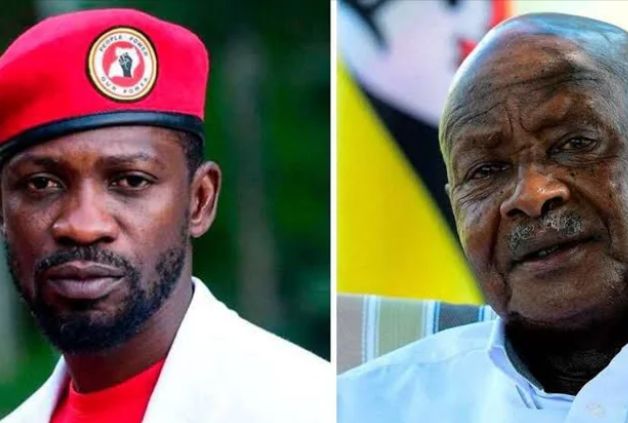
Uganda’s political landscape has once again taken center stage after President Yoweri Museveni criticized opposition leader Bobi Wine over claims of representing the country’s youthful population.
Speaking during a meeting with a group of social media influencers at his farm in Kisozi, Museveni reportedly dismissed assertions that Bobi Wine — whose real name is Robert Kyagulanyi Ssentamu — embodies Uganda’s “young generation” in politics. The president urged him to stop what he described as misleading narratives directed at young voters.
The Political Exchange
Museveni questioned the logic behind branding Bobi Wine as a symbol of youthful leadership, noting that age should not be
the sole factor in determining political credibility. His remarks come amid increasing debate about generational change, youth representation, and political accountability in Uganda.
Bobi Wine, a former musician turned politician, has built his political platform largely around youth empowerment, democracy reforms, and challenging long-standing leadership structures. His message has resonated strongly with urban voters and first-time voters across the country.
Background: Uganda’s Youthful Population and Political Dynamics
Uganda has one of the youngest populations in Africa, with a significant percentage of citizens under the age of 30. This demographic reality has made youth-focused messaging a powerful tool in national politics.
President Museveni has been in power since 1986, making him one of Africa’s longest-serving leaders. Over the years, opposition movements have increasingly framed elections around generational transition, governance reform, unemployment concerns, and civic freedoms.
The rivalry between Museveni and Bobi Wine intensified during the 2021 general elections, where debates around youth leadership, constitutional reforms, and state power dominated the political narrative.
Youth Politics and Election Conversations
The latest comments are likely to reignite conversations about:
Youth representation in Ugandan politics
Leadership longevity
Political reforms and democratic space
2026 general election preparations
The role of social media in shaping public opinion
Political analysts suggest that age-based political branding has become a strategic campaign theme, particularly as Uganda approaches future electoral cycles.
Public Reaction
Supporters on both sides have taken to social media to defend their preferred leaders, with discussions trending around youth empowerment, political experience, and credibility.
As Uganda moves closer to the next election season, exchanges between Museveni and Bobi Wine are expected to remain central to national political discourse.
More updates will follow as Uganda’s evolving political story develops.