
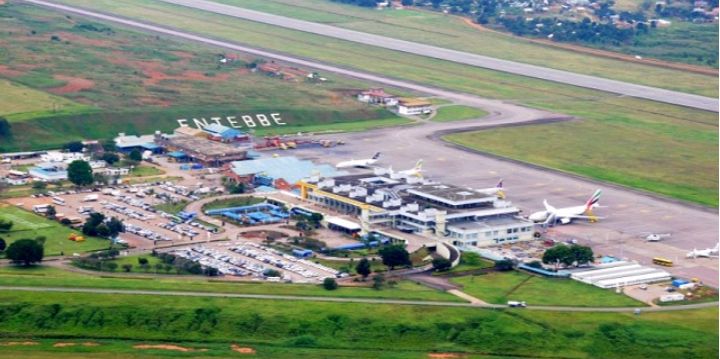
The government of Uganda is accelerating major airport infrastructure projects as part of a broader economic transformation agenda aimed at boosting trade, tourism, investment, and regional connectivity.
From runway upgrades to new regional airstrips, Uganda’s aviation expansion strategy is being positioned as a key driver of economic growth, logistics efficiency, and international competitiveness.
Aviation Infrastructure as an Economic Engine
Airports are increasingly viewed as catalysts for economic development. Modern aviation hubs attract foreign direct investment, improve cargo transport, and stimulate tourism revenue. Uganda’s renewed focus on airport modernization reflects its ambition to become a regional aviation and trade gateway in East Africa.
Flagship facilities
such as Entebbe International Airport continue to undergo expansion works, including terminal upgrades, runway improvements, and enhanced cargo handling systems. These developments aim to increase passenger capacity and strengthen Uganda’s position within global aviation networks.
Regional Airports and Domestic Connectivity
Beyond Entebbe, authorities are investing in regional aerodromes to improve domestic air travel and unlock tourism potential in remote areas. Improved runways and upgraded terminals are expected to ease access to national parks, oil exploration zones, and agricultural production centers.
Stronger domestic air connectivity supports:
Tourism growth and safari travel
Faster cargo exports for fresh produce
Oil and gas logistics operations
Business travel and regional trade
Boosting Trade and Investment
Efficient airports play a crucial role in export-driven economies. With Uganda positioning itself as a producer of coffee, fish, horticultural products, and oil, enhanced air cargo infrastructure is expected to reduce transportation time and improve competitiveness in international markets.
Modernized airport systems also align with broader East African Community integration goals, improving cross-border trade routes and investment flows.
Job Creation and Urban Development
Large-scale airport projects generate employment during construction and long-term operational phases. Surrounding areas often experience rapid urban growth, leading to new business parks, hospitality investments, and commercial developments.
Economists argue that aviation infrastructure investment has a multiplier effect, stimulating sectors such as transport, real estate, hospitality, and logistics.
Uganda’s Long-Term Economic Vision
Uganda’s airport modernization program is part of a larger national development blueprint aimed at industrialization, regional trade dominance, and infrastructure-led growth. By strengthening aviation capacity, the country seeks to attract international airlines, increase passenger traffic, and position itself as a competitive aviation hub in East Africa.
As global travel demand continues to recover and expand, Uganda’s strategic investment in runways and airport facilities may significantly reshape its economic landscape for decades to come.